Why Are Bikes So Expensive?
Introduction:
Bicycles, once a simple mode of transport and leisure, have evolved into intricately designed machines that can cost as much, if not more, than cars or motorbikes. This pricing phenomenon often leaves many puzzled. Through this blog post, we’ll explore the reasons behind these high costs. We’ll delve into the technological advancements and labor-intensive craftsmanship that drive up prices, why cyclists might prefer not to consider these factors, and touch upon additional subjects of interest for enthusiasts.
Why do bicycles cost as much or more than a motorbike or a car?
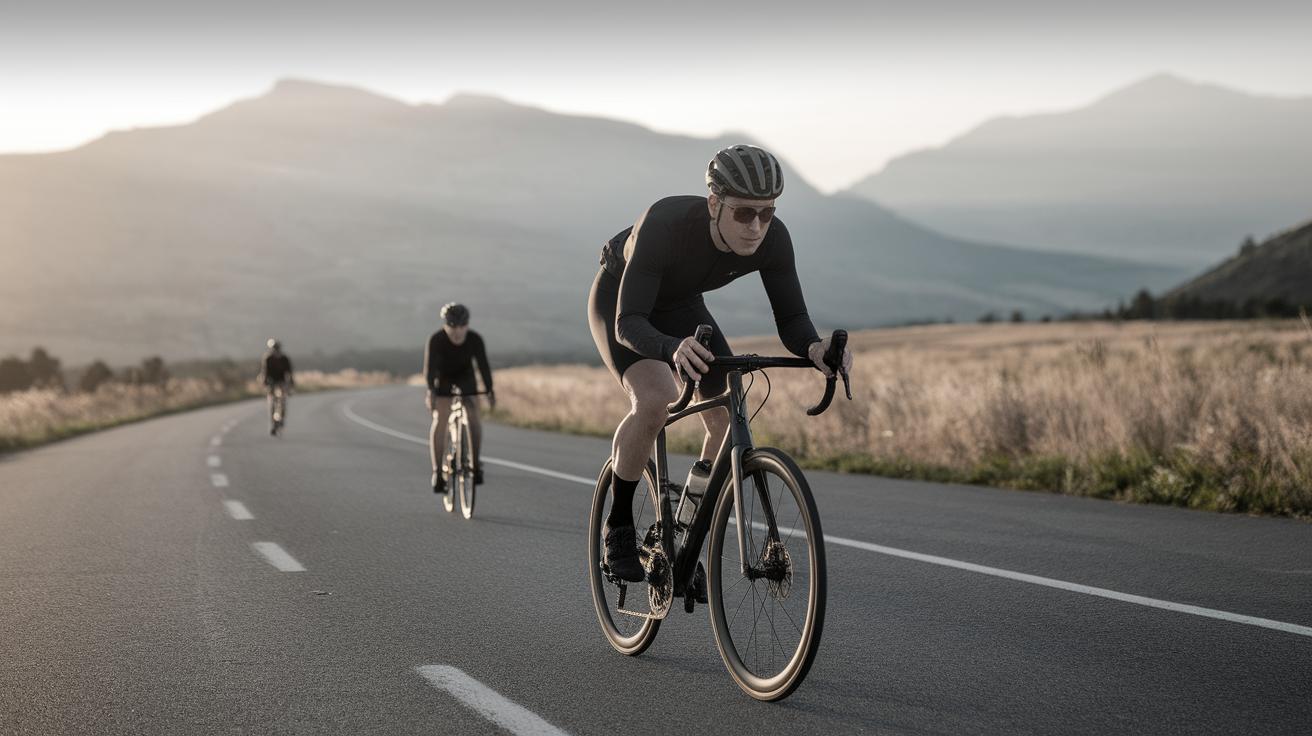
In the world of cycling, the cost of bicycles has surged due to a variety of reasons. Foremost among these is the advancement in technology. Modern bicycles are equipped with cutting-edge materials like carbon fiber, which provide outstanding strength-to-weight ratios. These materials, combined with precision engineering, enhance performance and durability, justifying the steep price tags. In contrast, motorbikes and cars are built on larger scales and benefit from economies of scale, which often help in reducing their individual cost of production.
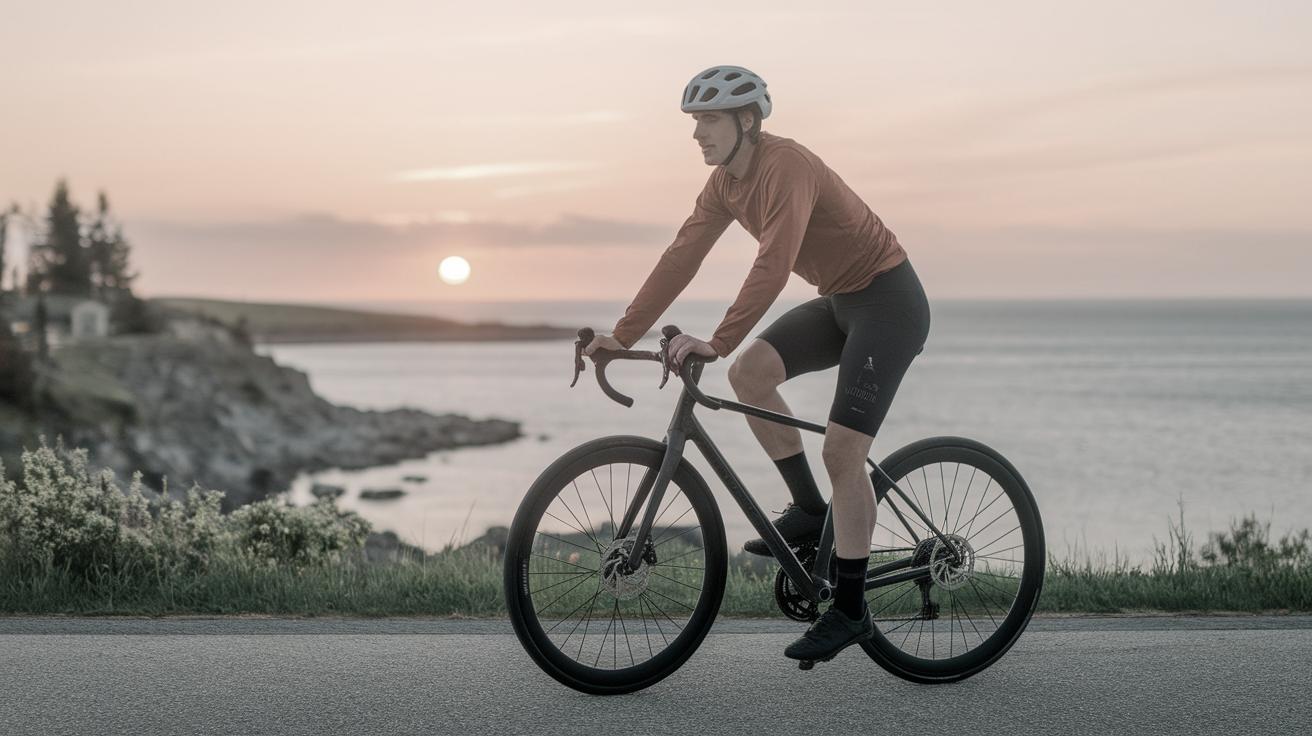
Aside from material innovation, demand for high-end specifications such as electronic shifting systems and hydraulic disc brakes also contribute to the cost. These components are not only costly to produce but also require skilled labor to assemble. Manufacturers invest significantly in research and development to produce bicycles that meet the diverse needs of cyclists, whether they are competitive athletes seeking marginal gains or casual riders looking for a comfortable experience.
Moreover, the bespoke nature of many bicycles, tailored to specific requirements in terms of fit, performance, and personal taste, adds another layer of expense. Each of these factors contributes to a bicycle’s overall cost, which can often rival that of motor vehicles, despite their inherent simplicity.
This explanation opens a door that few cyclists want to enter
Many cyclists hesitate to confront the reasons behind the high costs of their beloved bicycles. Understanding that price is tied to technological advancements and artisanal craftsmanship can become a daunting realization. It echoes the idea that owning such a precise piece of equipment is akin to investing in art or high-tech gadgets. Yet, this understanding nudges enthusiasts to appreciate the craftsmanship and innovation that fuels the cycling industry.
Moreover, while many cyclists enjoy the tangible benefits of these advancements, such as increased performance and comfort, there exists a cognitive dissonance when reconciling costs. The luxury of owning an exclusive piece of technology sometimes conflicts with the traditional view of bicycles as simple, accessible transport. Grappling with this shift in perception requires reformulating one’s notion of value derived from cycling — not just in terms of cost but in terms of experience and enhancement of capability.
Ultimately, this shift demands a broader view of value, one that incorporates not just the physical quality of the bike but also its intangible benefits, such as health, community engagement, and even a low carbon footprint, thus reshaping what makes the cost worthwhile.
También puede interesarte
For those intrigued by the intersection of technological innovation and cycling, there are several adjacent topics worth exploring. The impact of the supply chain on bike costs, especially in a post-pandemic era, has been significant. The global logistics squeeze has affected material availability, labor, and transportation, leading to increased costs that are ultimately passed on to consumers.
Another subject of interest is the role of cycling culture and community in shaping bicycle designs and prices. The emergence of cycling as both a sport and lifestyle creates demand for exclusive and advanced models. Cultural phenomena, such as the popularity of cycling events and widespread campaigning for sustainable transport, continue to influence industry trends and pricing strategies.
Finally, the environmental ramifications of bicycle production and the lifecycle of ownership offer a broader context. Consider how advancements in sustainable practices and materials could eventually alter price structures, possibly making high-quality bicycles more accessible while maintaining ecological responsibility.
This post is for paying subscribers only
To gain deeper insights into why bicycles cost what they do, this content remains exclusive to our paying subscribers. As a subscriber, you will access a detailed analysis of the cost structures in the cycling industry, interviews with key figures in bicycle manufacturing, and case studies on innovative bike companies breaking new ground.
With your subscription, you’ll be part of a community that values informed discussion and a passion for cycling. Beyond gaining access to exclusive content, you’ll contribute to sustaining quality journalism that seeks to inform and engage those at the heart of cycling.
Subscribers receive not just articles but also premium features like webinars and Q&A sessions with industry experts. Join us to better understand the nuanced interplay between technology, cost, and the cycling culture that you’re a part of.
Did we do a good job with this story?
We appreciate your feedback and encourage you to share your thoughts on this article. Your perspective helps us refine our content and better address the topics that matter most to you. We aim to create compelling and insightful stories that resonate with our readers and foster an informed and engaged community.
By interacting with our stories and providing your input, you not only help us improve but also contribute to a larger discourse within the cycling community. Together, with your support, we shape the narrative around the dynamic, ever-evolving world of cycling.
Our commitment is to deliver content that not only informs but also inspires you to appreciate the complexities and joys of cycling. We look forward to your thoughts and continued engagement with our stories.
Summary of Main Points
| Section | Content Overview |
|---|---|
| Introduction | Overview of bicycle costs compared to motorbikes and cars. |
| Why do bicycles cost as much or more than a motorbike or a car? | Materials, technology, bespoke nature, and R&D contributions to cost. |
| This explanation opens a door that few cyclists want to enter | Cognitive dissonance in appreciating bikes as high-tech machines. |
| También puede interesarte | Impact of supply chain, culture, and green technology on bike prices. |
| This post is for paying subscribers only | Subscriber-exclusive content and community benefits. |
| Did we do a good job with this story? | Request for reader feedback to improve content quality and engagement. |