Road Cycling for Beginners
Venturing into the world of road cycling can be an exhilarating journey for anyone looking to explore new fitness horizons, embrace the great outdoors, or simply find a sustainable mode of transport. This post will guide you through the essential aspects of starting your cycling adventure, from understanding the reasons to hop on the saddle to selecting the right bike and gear. We’ll explore the time commitment required to excel in cycling and share tips for avoiding common beginner pitfalls. Whether you’re looking to become a better cyclist or simply enjoy the ride, this guide is designed to help you steer in the right direction.
Why Become a Cyclist?
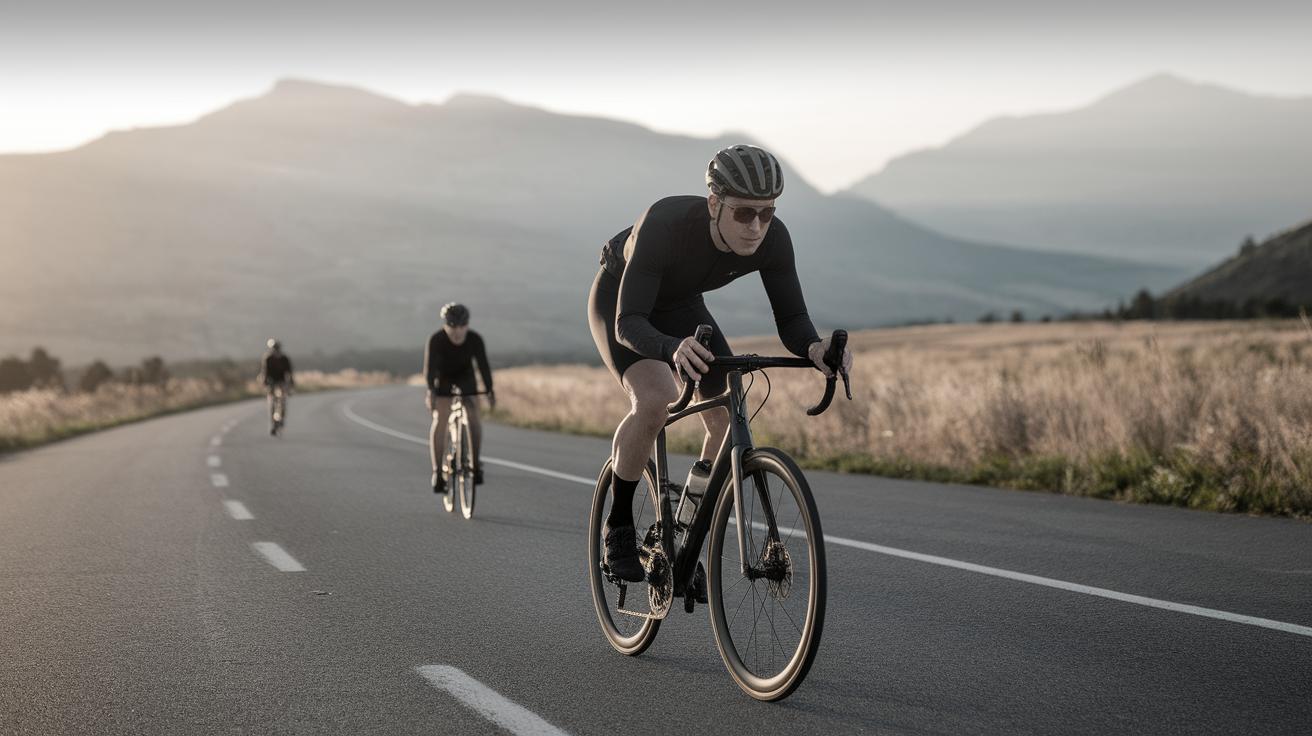
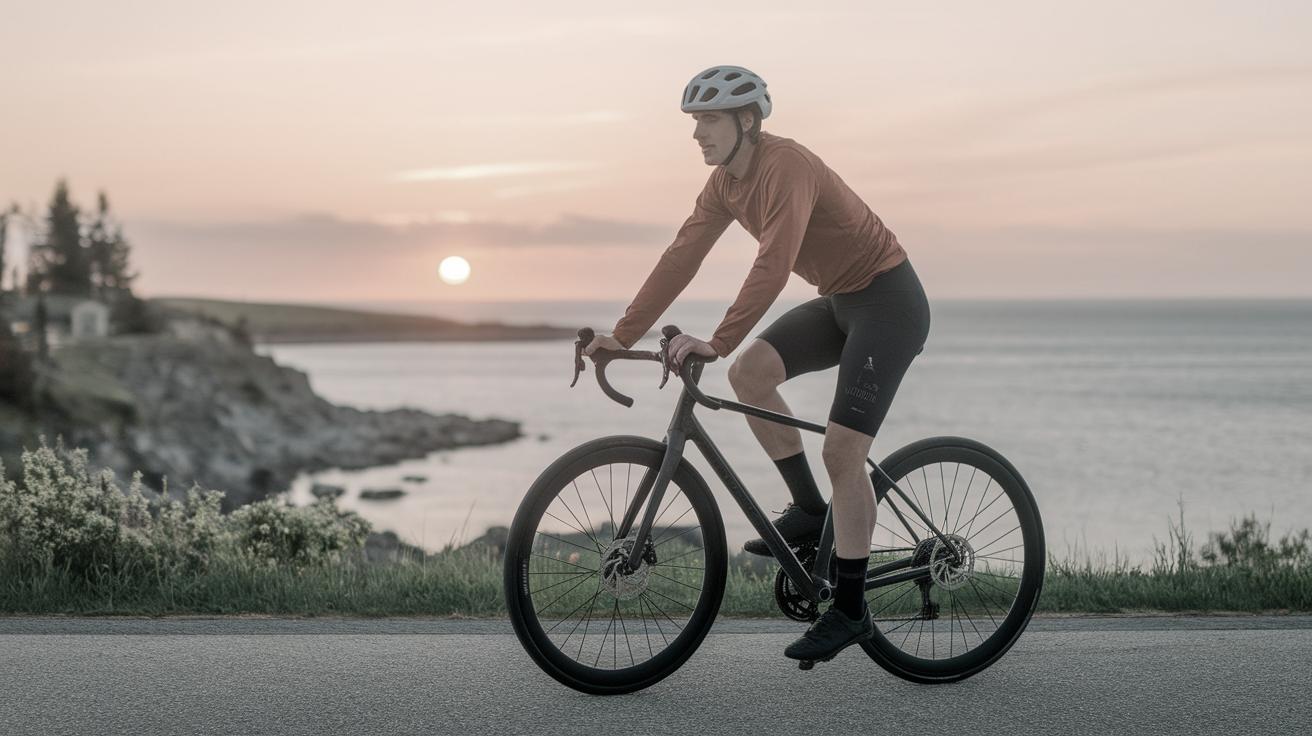
There are numerous reasons to take up road cycling, each as compelling as the next. For many, it’s about the profound sense of freedom and adventure that comes with every ride. The opportunity to explore new paths, witness stunning scenery, and feel the wind against your skin can be incredibly rejuvenating.
Moreover, cycling is an excellent form of exercise that provides a full-body workout while being gentle on the joints. It’s a cardiovascular activity that boosts your endurance, strengthens your muscles, and helps maintain a healthy weight. Additionally, cycling is an environmentally friendly way to commute, reducing your carbon footprint and promoting sustainable living.
Beyond the physical and environmental benefits, cycling offers a vibrant and welcoming community. Joining groups or clubs can enhance your social life, providing opportunities to meet like-minded individuals, share experiences, and even participate in cycling events and challenges.
What is the Best Way to Get into Road Biking?
Embarking on your road cycling journey begins with finding the right balance of enthusiasm, reasonable goals, and preparation. Start by understanding your fitness level and setting attainable objectives, whether it’s cycling a particular distance or simply riding regularly.
Research is essential; engage in online communities or local cycling groups to gain insights and advice from experienced cyclists. You’ll learn about the best routes, essential gear, and even how to handle minor repairs and maintenance.
Consider taking a beginner’s cycling course to build confidence and understand safety measures. These courses often cover essential skills, such as navigating traffic, gearing, and bike handling, ensuring you feel prepared and secure when hitting the road.
How Long Does It Take to Become a Great Cyclist?
Becoming a proficient cyclist is a journey that varies for each individual, based on factors such as dedication, frequency of rides, and personal fitness levels. For some, it might take a few months of consistent cycling to notice significant improvements, while for others, it could take years of dedication.
Commitment is key. Regular cycling, balanced with rest and recuperation, will gradually build your endurance, speed, and confidence on the road. Setting incremental goals assists in tracking progress and staying motivated.
Remember that cycling is not just about speed or distances; becoming a great cyclist also involves enjoying the process, understanding bike mechanics, and appreciating the camaraderie among fellow cyclists.
Top Things to Look for in Your First Road Bike:
Choosing your first road bike can seem daunting, but focusing on a few key aspects can simplify the process. Firstly, consider your budget and find a balance between cost and quality. While it’s tempting to go for entry-level bikes, investing slightly more can provide better components and longevity.
Fit is crucial; a well-fitted bike enhances comfort and performance. Visit local bike shops to get a professional fitting and test ride different models to see what feels right. Frame material, bike weight, and gearing are also critical factors influenced by your intended use.
Additionally, think about the type of riding you plan to do. Different bikes are optimized for racing, touring, or casual riding. Selecting the right one for your needs will enhance your overall cycling experience.
What Should Every Cyclist Carry?
Being prepared on the road is vital for every cyclist, whether embarking on a long ride or a quick spin around the block. Essential carry items include a spare inner tube, tire levers, and a mini pump or CO2 inflator for dealing with flats.
Also, carry a multi-tool for basic mechanical issues and a patch kit in case of multiple punctures. It’s wise to bring identification, medical information, and a phone for emergencies.
Other essentials include water or an energy drink for hydration, snacks for longer rides, and appropriate weather gear. Regardless of the distance or conditions, being prepared ensures a safer and more enjoyable ride.
How to Become a Better Cyclist?
Improvement in cycling involves focusing on technique, increasing training intensity, and scheduling consistent practice. Consider varied training sessions, including hill climbs, sprints, and long endurance rides, to enhance your overall capabilities.
Pay attention to your technique, including pedaling efficiency and riding posture. Professional coaching or workshops can provide valuable tips on how to maximize your performance and minimize discomfort.
Rest and recovery are equally important. Overtraining can lead to fatigue and injuries, so ensure you have adequate rest days and pay attention to nutrition and hydration to boost recovery and maintain performance.
What are the Biggest Mistakes New Cyclists Make?
Common pitfalls for new cyclists often include neglecting bike maintenance and underestimating the importance of proper gear and hydration. Regular checks on tire pressure, brake functionality, and chain lubrication can prevent unexpected breakdowns.
Another frequent mistake is overtraining or setting unrealistic goals. Such approaches can lead to burnout or injury. Growth in cycling should be gradual, with ample time for mental and physical adaptations.
Finally, not respecting road rules and cycling safety can lead to dangerous situations. Familiarize yourself with cycling regulations and cultivate safe riding habits from the onset to enhance your safety and enjoyment.
Tips for a Beginning Cyclist:
Starting with the right mindset and approach is crucial for enjoying cycling. Prioritize comfort and confidence over speed and distance initially. This mindset will allow natural progression and development.
Join local cycling groups or clubs. Riding with others can enhance motivation, introduce new routes, and provide a support network. It’s also an excellent way to learn from seasoned cyclists.
Finally, keep a log of your rides. Documenting your progress, emotions, and experiences can highlight your development and achievements, serving as a powerful motivational tool on your cycling journey.
Final Thoughts
| Topic | Summary |
|---|---|
| Why Become a Cyclist? | Explore freedom, fitness, and community benefits. |
| What is the Best Way to Get into Road Biking? | Set attainable goals, seek advice, and consider courses. |
| How Long Does It Take to Become a Great Cyclist? | Varies by individual commitment and practice consistency. |
| Top Things to Look for in Your First Road Bike: | Balance cost and quality; ensure proper fit and purpose. |
| What Should Every Cyclist Carry? | Tools, identification, hydration, and safety items. |
| How to Become a Better Cyclist? | Focus on technique, varied training, and recovery. |
| What are the Biggest Mistakes New Cyclists Make? | Neglecting maintenance, overtraining, ignoring safety. |
| Tips for a Beginning Cyclist: | Start slow, engage socially, and track progress. |