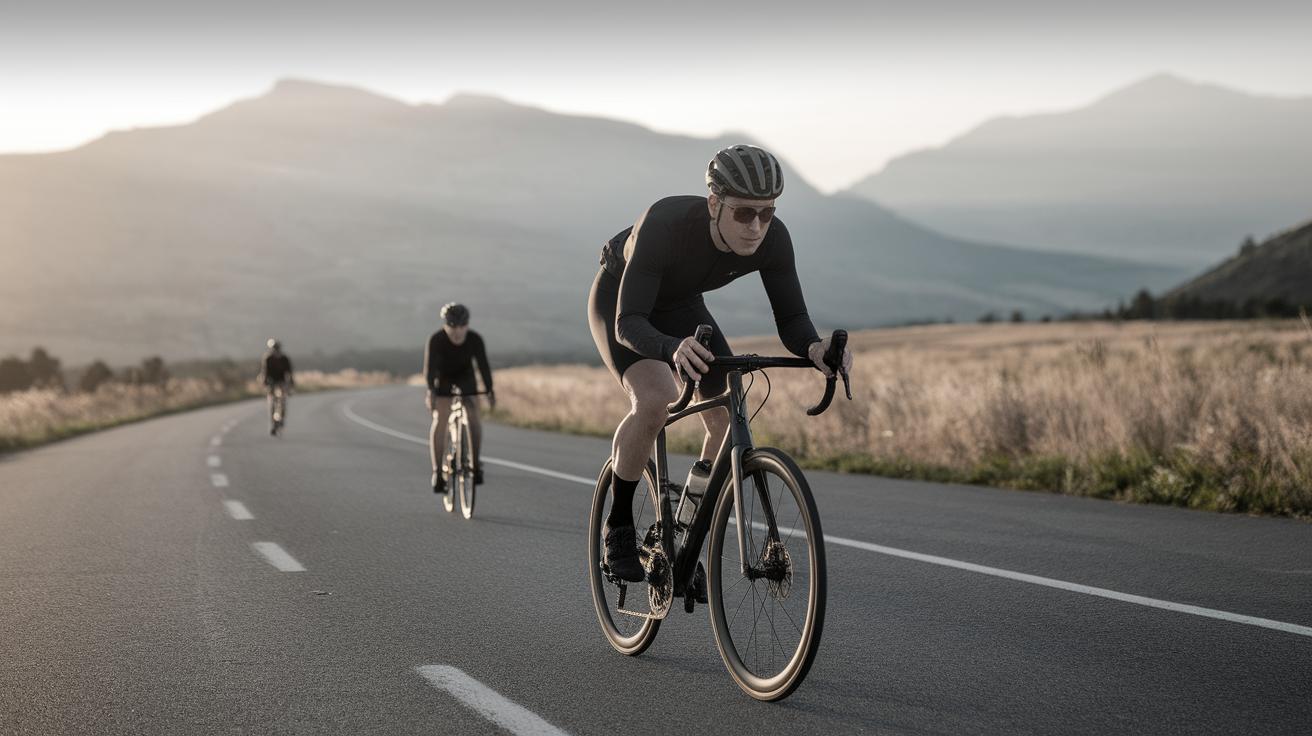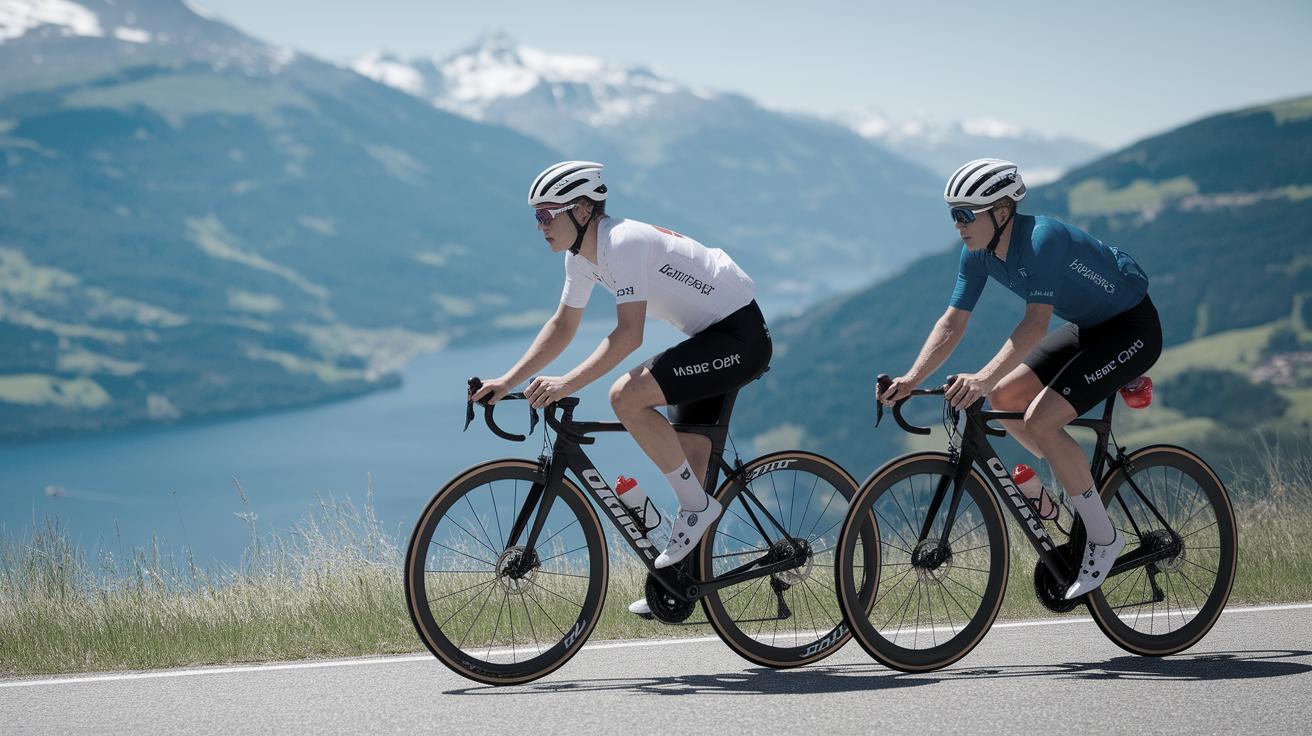
Tour de France Bikes: A Detailed Exploration
The Tour de France, renowned for its exhilarating competition and breathtaking landscapes, showcases some of the most technologically advanced bicycles in the world. These machines aren’t just any bikes; they are meticulously designed and crafted to offer the utmost performance. In this post, we delve into the intricate world of Tour de France bicycles, offering insights into their costs, the latest models, and the realities for professional cycling teams. From Soudal-QuickStep’s Specialized wonders to the luxurious Pinarello Bolide F of the Ineos Grenadiers, this piece also explores how many bikes teams have, if the public can buy them, and what it costs teams to access these high-tech rides. Ride alongside us as we explore the exciting innovations and strategies behind these two-wheeled titans.
Tour de France Bike Cost Breakdown
The cost of a Tour de France bike is a reflection of cutting-edge technology, high-quality materials, and precision engineering. Generally, these superbikes can range from $12,000 to over $15,000 per bike. This cost includes lightweight carbon frames, aerodynamic designs, and top-of-the-line components such as electronic shifting systems and carbon wheels.
The expensive price tag also accounts for extensive wind tunnel testing and hours of research and development. For many teams, these bikes are provided by sponsors, allowing cyclists to compete on some of the best machines without financial stress. However, these costs are vital as they contribute directly to the performance and success of riders in the grueling 21-stage race.
Get The Leadout Newsletter
Staying updated on the latest news from the Tour de France is crucial for enthusiasts and fans who want to keep up with the developments in cycling technology. The Leadout Newsletter offers comprehensive coverage of racing news, bike technology, interviews with cyclists, and reviews of bike gear.
By subscribing to this newsletter, you immerse yourself in the vibrant world of professional cycling. It provides insights into team strategies, training tips, and detailed analysis of new bikes—enriching your understanding of the Tour de France and enhancing your appreciation for this historical sporting event.
Soudal-QuickStep’s Specialized S-Works Tarmac SL8
The Soudal-QuickStep team rides the remarkable Specialized S-Works Tarmac SL8, a bike epitomizing speed and agility. The Tarmac SL8 is a true marvel, boasting a feather-light carbon frame and aerodynamic features that allow it to slice through the air effortlessly.
What sets the S-Works Tarmac apart is its integration of Specialized’s cutting-edge technology, such as the FACT 12r carbon construction and the Rider-First Engineered™ design. These bikes are not just top-tier racing machines but are also tailored to suit the unique demands of professional riders, providing them with the edge needed in one of cycling’s grandest tours.
Decathlon–AG2R La Mondiale’s Van Rysel RCR
With its roots in robustness and resilience, the Decathlon–AG2R La Mondiale team takes to the road with the Van Rysel RCR. This bike is a testament to Decathlon’s commitment to offering high-performance at an accessible price point. Known for its remarkable stiffness-to-weight ratio, the Van Rysel RCR provides an excellent balance of speed, endurance, and comfort.
Built with innovative materials and aerodynamic enhancements, the Van Rysel RCR is a force to be reckoned with on both flat terrains and mountainous ascents. This bike exemplifies the perfect combination of cutting-edge cycling technology and careful craftsmanship, tailored to meet the rigorous demands of Tour riders.
Tadej Pogačar’s Colnago V4RS
Tadej Pogačar, one of the most celebrated cyclists of recent times, races on the exceptional Colnago V4RS. Reflecting Colnago’s heritage and innovation, the V4RS is built to offer both performance and prestige, allowing riders like Pogačar to excel in the challenging Tour de France environment.
Featuring a blend of custom geometry and high-quality carbon fiber, the V4RS is engineered for responsiveness and durability. Its precise control and stunning aesthetic are matched by its power transfer capabilities, making it an integral part of Pogačar’s racing arsenal, propelling him to the forefront of the cycling world.
The Most Expensive Tour de France Bike? Ineos Grenadiers’ Pinarello Bolide F
In the realm of high-end racing bicycles, the Pinarello Bolide F, ridden by the Ineos Grenadiers team, stands out not only for its pedigree but also for its astronomical price tag. Often cited as the most expensive bike on the tour, the Bolide F symbolizes the pinnacle of cycling performance.
The bike’s exorbitant cost is justified by its unparalleled engineering, including an ultra-lightweight carbon frame, exceptional aerodynamics, and bespoke components. The Bolide F is a true investment in technology and speed, allowing riders to push their limits on the world’s most prestigious cycling stage.
A New Rival to the Pinarello Price Tag
As manufacturers continue to push the boundaries of cycling technology, new entrants challenge the astronomical prices traditionally held by elite brands. This competition has spurred the development of innovative alternatives that deliver comparable performance at slightly reduced costs.
New models hitting the roads are increasingly competitive, offering advanced materials and aerodynamic efficiencies that rival the Bolide F’s capabilities. As a result, the market for high-end race bikes becomes more diverse, giving teams additional choices to consider for their competitive edge.
How Many Bikes Do Teams Have at the Tour de France?
Tour de France teams typically bring a significant number of bikes to ensure they are prepared for various stages and potential mishaps. Most teams carry between 50 to 100 bicycles to the race, encompassing different setups for time trials, mountain stages, and all-round rides.
This extensive arsenal allows teams to adapt to the unpredictable nature of the race, ensuring that each rider has access to optimally tuned bikes suited to their specific role and the day’s racing conditions. The logistical demands of managing such a fleet highlight the complexity and scale of modern professional cycling.
Can You Buy a Tour de France Bike?
While the exact bikes used in the Tour de France by professional teams aren’t sold to the public, consumers can purchase similar models. Brands often offer versions of these sophisticated machines that are accessible for non-professional enthusiasts, albeit typically at a high price point.
These commercial versions usually feature similar technology and components minus some of the customizations and tuning specific to professional teams. For cycling fans, owning a consumer-grade Tour de France bike offers a tangible connection to the excitement and elite performance of the race.
What Do Tour de France Teams Pay for Their Bikes?
Tour de France teams often do not pay for their bikes outright; instead, they receive them as part of sponsorship agreements. Bike manufacturers partner with teams to supply cutting-edge bicycles, which serve as high-profile demonstrations of their technological advancements.
This symbiotic relationship is beneficial as manufacturers showcase their products in one of the most watched events globally, while teams receive access to the latest innovations in cycling technology that can help them secure victories.
Do Pro Cyclists Get to Keep Their Bikes?
Professional cyclists typically do not retain ownership of their Tour de France bikes after the tournament concludes. These bikes are often reused for later competitions or stripped for parts and repurposed within the team’s daily operations.
However, in certain cases where a bike has sentimental value, such as being associated with a significant victory, an exception might be made for the rider to keep it. Still, the primary function remains performance-driven, with the cycles continuously being optimized for competitive use.
Summary of Main Points
| Aspect | Details |
|---|---|
| Cost Breakdown | $12,000-$15,000, includes advanced materials and engineering |
| Specialized S-Works Tarmac SL8 | Lightweight, aerodynamic, top-tier performance |
| Van Rysel RCR | Affordable high-performance, balance of speed and comfort |
| Colnago V4RS | Prestige and power, tailored for Tadej Pogačar |
| Pinarello Bolide F | High-end engineering, exceptional cost and speed |
| Bikes per Team | 50-100, to cover various stages and emergencies |
| Consumer availability | Commercial versions available, sans team customizations |
| Team expenses | Sponsored, showcasing manufacturer’s innovations |
| Ownership | Bikes typically returned or reused, exceptions for significant achievements |