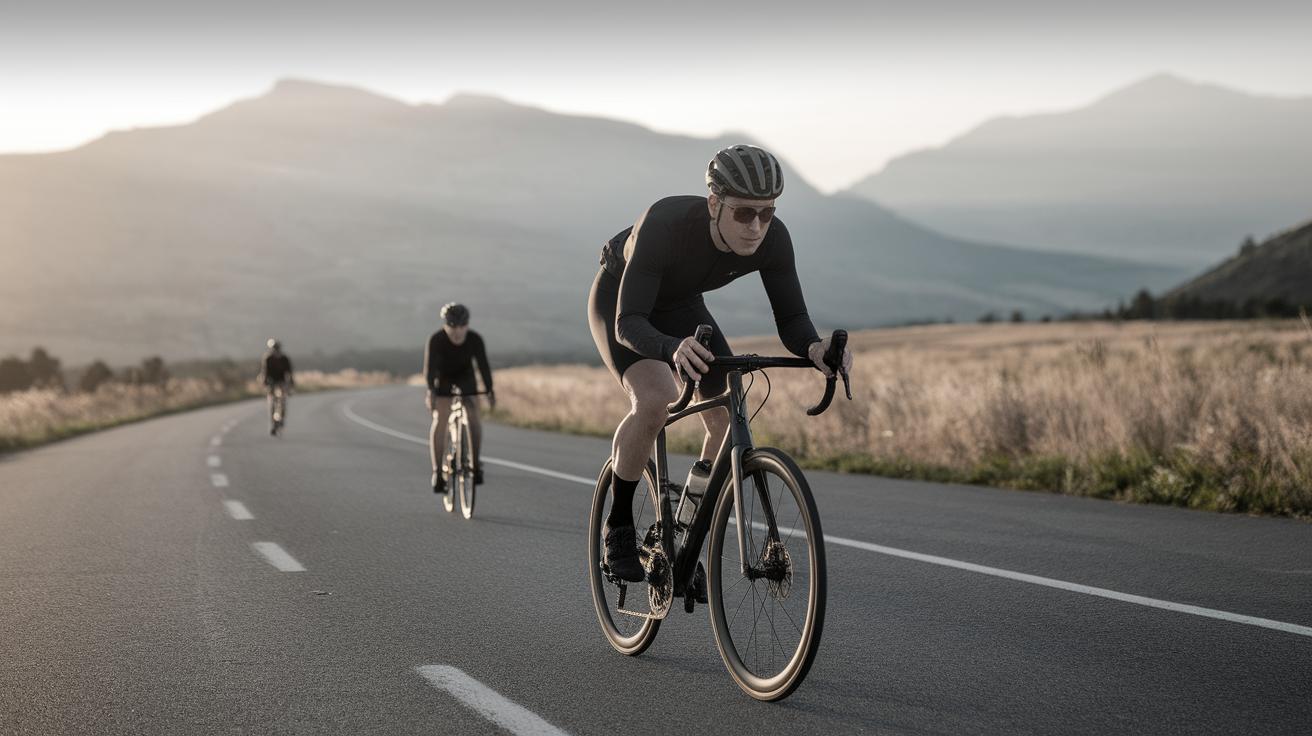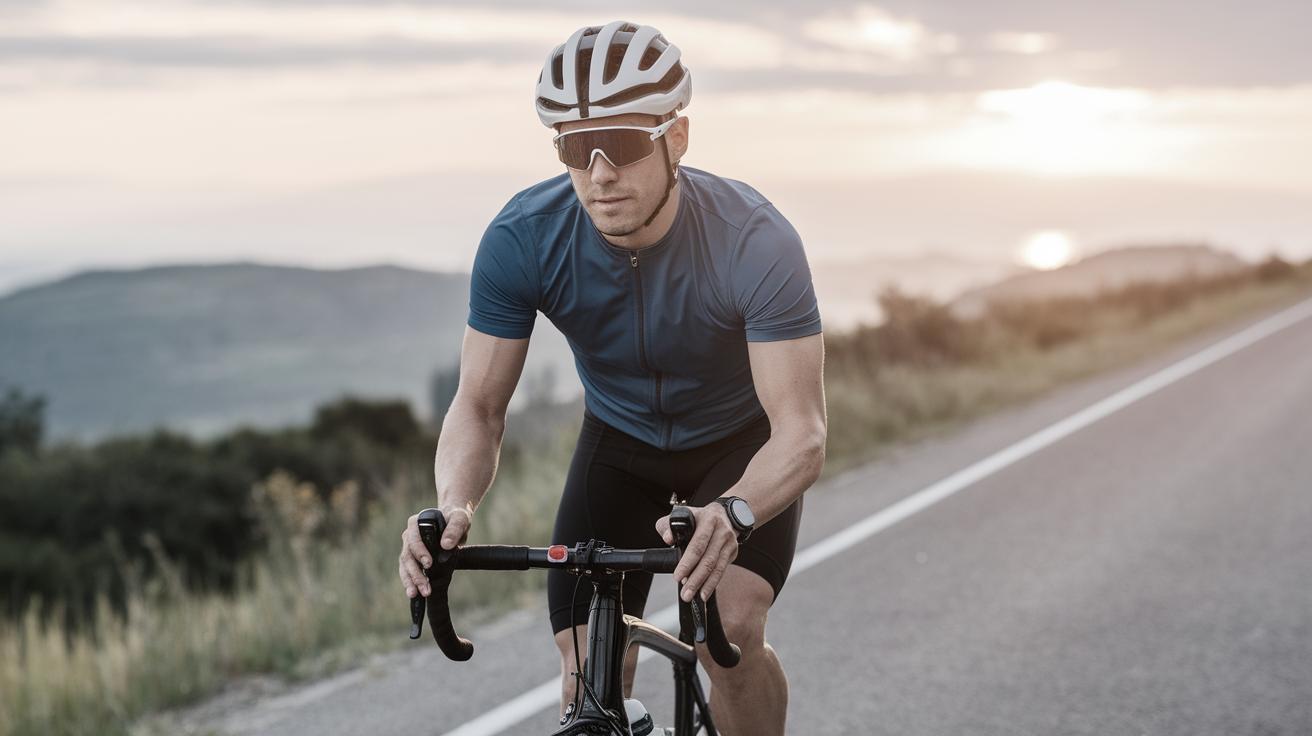
Best Heart-rate Monitors for Cycling
As cycling continues to capture the hearts of fitness enthusiasts and professional athletes alike, the importance of monitoring performance has never been more crucial. Heart rate monitors have emerged as essential tools in tracking cardiovascular metrics, helping cyclists optimize their training and improve overall performance. This article delves into some of the best heart rate monitors available for cycling, detailing their features, advantages, and how they compare to one another. Additionally, we provide insights into what to look for in a quality heart rate monitor and a comprehensive buyer’s guide to assist you in making an informed decision.
Best on Test: Polar H10
The Polar H10 offers precision like no other, consistently topping the charts as the best heart rate monitor in the market. It boasts exceptional accuracy and reliability, features critically important for seasoned cyclists who rely on precise data for effective training. The electrode design and snug fit of the H10 add to its effectiveness, ensuring minimal interference and top-tier data collection even under intense cycling conditions.
Another significant advantage of the Polar H10 is its ability to connect with a wide array of fitness apps, thanks to its dual-band connectivity (Bluetooth and ANT+). Cyclists can seamlessly integrate their heart rate data into their existing training platforms, enhancing their workout analysis. Additionally, the Polar Beat app enhances the overall user experience, offering personalized training plans and detailed feedback on workout performance.
Highly Commended: 4iiii Viiiiva
The 4iiii Viiiiva is an impressive heart rate monitor that stands out for its versatility and innovation. Known for its ANT+ to Bluetooth bridge functionality, the Viiiiva allows users to connect their ANT+ sensors to Bluetooth-enabled devices, a rare feature that offers increased flexibility for cyclists using various gadgets and apps. This capability makes it highly adaptable, catering to both traditional and modern technology enthusiasts.
Equipped with a comfortable strap and long battery life, the 4iiii Viiiiva ensures a seamless training experience. Its compatibility with both dual-band data transfer technologies ensures it can slot effortlessly into any cyclist’s tech arsenal. With additional features like saved workout memory, it becomes a practical tool for those who enjoy post-ride analysis without always needing their smartphone on hand.
The Competition
Garmin HRM-Pro Plus
The Garmin HRM-Pro Plus is not just another heart rate monitor—it’s a comprehensive fitness tool. Designed for the all-around athlete, it not only measures heart rate with precision but also offers advanced running dynamics, making it a dual-purpose monitor for those who cycle and run. Moreover, it provides data such as ground contact time and balance, stride length, and more, via the Garmin Connect app.
This model stands out for its unique capability of storing heart rate data on the device itself, then syncing it to a compatible device later. This feature is particularly useful during swim sessions or workouts where carrying a phone may not be feasible. With a comfortable and secure fit, the Garmin HRM-Pro Plus remains an exceptional choice for multi-sport athletes.
Hammerhead Heart Rate Monitor
The Hammerhead Heart Rate Monitor may not have the same brand recognition as some competitors, but it earns high praise for its simplicity and functionality. Particularly suitable for cyclists who prefer straightforward technology without an overwhelming array of features, the Hammerhead model provides accurate heart rate measurements and basic connectivity with most cycling computers and fitness apps.
The device’s minimalist design ensures durability, with easy-to-use adjustments and a straightforward setup process. Its focus on core functionality makes it an ideal option for those new to heart rate training or those who prioritize ease of use.
Garmin HRM-Dual
The Garmin HRM-Dual is another solid offering from Garmin, known for its dual transmission capabilities over ANT+ and Bluetooth. This makes it a versatile choice for cyclists who use multiple devices or prefer flexibility in connectivity options. The device provides consistent heart rate data crucial for executing effective training sessions.
Although it does not offer some of the advanced metrics found in higher-end models, its reliability and ease of use ensure that it remains a popular choice for serious cyclists. Its comfortable, adjustable strap ensures a secure fit, meaning it can be worn comfortably over long periods.
Wahoo TICKR
The Wahoo TICKR offers excellent value for cyclists looking for a reliable heart rate monitor without breaking the bank. Known for its accurate readings and ergonomic design, the TICKR is compatible with both Bluetooth and ANT+ devices. It provides real-time heart rate and calorie data, helping cyclists maintain optimal training zones during workouts.
Its LED lights, unique among heart rate monitors, confirm both device connection and heart rate detection; this intuitive feature helps by ensuring that cyclists are getting their data accurately. With a replaceable coin cell battery offering significant battery life, the Wahoo TICKR remains a go-to for budget-conscious, performance-driven cyclists.
What We Look for in a Heart-rate Monitor
Our assessment of heart rate monitors is thorough and comprehensive, as we look for several critical factors to determine the best choices. Key attributes include accuracy, comfort, connectivity options, data storage capacity, battery life, and compatibility with third-party apps. Accuracy is paramount to ensure that the data collected reflects true performance metrics, allowing cyclists to make informed decisions about their training and recovery.
Comfort is also critical, given that heart rate monitors are typically worn for extended periods. Connectivity options such as ANT+, Bluetooth, and dual-band capabilities ensure that these devices can fit seamlessly into a cyclist’s existing technology ecosystem. Equally important is data storage and battery life, as athletes rely on these devices to track long, intense workouts without interruptions or the need for frequent recharging.
Why You Can Trust BikeRadar
At BikeRadar, we pride ourselves on our commitment to providing cyclists with honest, in-depth, and unbiased reviews. Our team of experts consists of avid cyclists and fitness professionals dedicated to testing and analyzing the latest gear and technology in the cycling world. We test these devices under real-world conditions, ensuring that our recommendations are based on firsthand experience and objective data assessment.
Transparency is at the core of our ethos. We work closely with manufacturers to stay updated on the latest advancements, while always maintaining our editorial independence. Our readers depend on us to provide clarity and guidance in an ever-evolving tech landscape, and we strive to meet and exceed those expectations with every review and guide we publish.
Buyer’s Guide to Heart-rate Monitors for Cycling
Why Should I Train with a Heart-rate Monitor?
Training with a heart rate monitor allows cyclists to track their exertion levels and optimize their training routines. By monitoring heart rate zones, cyclists can adjust their intensity levels to align with specific training goals, whether it’s building endurance, increasing speed, or enhancing recovery. Heart rate monitors provide real-time feedback, enabling cyclists to adapt their efforts in a scientifically informed manner.
The use of a heart rate monitor also aids in preventing overtraining, which can lead to injury or burnout. By recognizing the body’s responses to different types of exertion, athletes can tailor their rides to improve efficiency and effectiveness. Ultimately, these devices empower cyclists to work smarter, not just harder, in pursuit of their fitness and performance goals.
What Type of Heart-rate Monitors Are There?
Heart rate monitors generally fall into two main categories: chest strap models and optical wrist-based models. Chest straps, like the Polar H10, use electrodes to measure the heart’s electrical activity. These models are commonly recognized for their precision and are favored by athletes seeking the most accurate data possible.
Optical wrist-based models, on the other hand, use light sensors to detect blood flow and provide heart rate readings. While convenient and often integrated into smartwatches or fitness trackers, these models may be less accurate during high-intensity activities. Each type has its pros and cons, so selecting the right one depends on the specific needs and preferences of the cyclist.
Heart Rate vs Power – Which is Best for Training?
When considering training metrics, both heart rate and power data have their distinct advantages. Heart rate measures physiological response to exercise, reflecting how hard the body is working, while power meters measure the actual output of effort. For cyclists, combining the two can provide a comprehensive overview of effort and efficiency.
Training with power allows for objective measurement and immediate comparison, which is invaluable in structured training plans. However, heart rate data offers insight into the body’s adaptations and exertions over time, which is crucial for long-term fitness gains. Many cyclists choose to use both metrics to gain a 360-degree view of their training and performance.
Data Transfer: ANT+, Bluetooth, or Dual-band
Data transfer technology is a crucial consideration when choosing a heart rate monitor, as it impacts compatibility with bikes, computers, and smartphones. ANT+ and Bluetooth are the two prevalent types of wireless data transfer available in heart rate monitors. Choosing the right one depends on the technology ecosystem a cyclist uses.
Dual-band monitors that support both ANT+ and Bluetooth, such as the Garmin HRM-Dual, offer the most versatility, ensuring compatibility with a wide array of devices. This duality eliminates the obstacle of mismatched technologies, simplifying the integration of the heart rate monitor into diverse training environments and gear.
How Should I Care for My Heart-rate Monitor?
Maintaining a heart rate monitor in good condition requires a few simple care and cleaning habits. After each use, it is advisable to detach the sensor from the chest strap and rinse both components with clean water. This practice removes sweat and extends the lifespan of the device by maintaining its integrity and accuracy.
To prevent battery drain, it’s good practice to remove the sensor when not in use, especially for long periods, and to ensure that the monitor is properly dried before storing. Regularly checking and replacing the battery helps to avoid disruptions during workouts, ensuring that the monitor performs reliably when it counts the most.
Next Steps
| Product | Advantages | Key Features |
|---|---|---|
| Polar H10 | Exceptional accuracy and reliability | Dual-band connectivity, personalized training plans |
| 4iiii Viiiiva | Versatile ANT+ to Bluetooth bridge | Compatible with dual-band, easy adjustment |
| Garmin HRM-Pro Plus | Advanced metrics for various sports | Syncs data later, comfortable design |
| Hammerhead Heart Rate Monitor | Simplicity and functionality | Durable, basic connectivity |
| Garmin HRM-Dual | Reliable with dual-band connectivity | Consistent heart rate data, secure fit |
| Wahoo TICKR | Value for money and accuracy | Real-time data, replaceable battery |