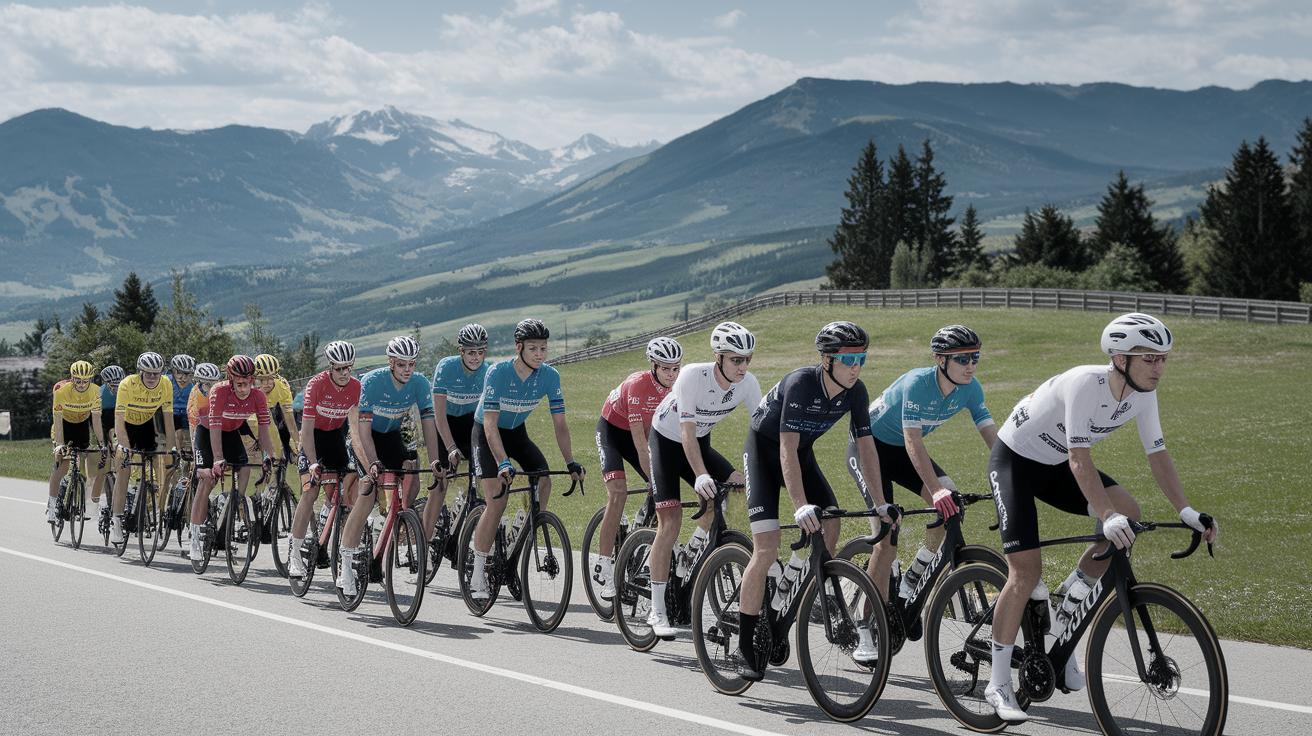
Understanding the Jersey Colors of the Tour de France
The Tour de France, one of the most prestigious cycling events, comes with a fascinating array of traditions and symbols, among which the colored jerseys stand out prominently. Each jersey signifies a specific achievement, whether it be for points, overall timing, or excellence in specific terrains. This post delves into the significance of each jersey color, from the iconic yellow to the polka dot, green, and white jerseys. We’ll uncover the reasons behind these colors and how they bring depth and excitement to this legendary race. Join us as we dissect the meanings, histories, and stories behind these vibrant jerseys. By the end of this exploration, you’ll have a newfound appreciation for the strategic and symbolic layers that make the Tour de France a unique spectacle in the world of sports.
Get The Leadout Newsletter
Staying updated with the ever-evolving world of cycling is crucial for enthusiasts and professionals alike. The Leadout Newsletter is your go-to source for the latest insights, race highlights, and expert analyses following the Tour de France. By subscribing, you’ll never miss a beat on race strategies, rider profiles, and equipment innovations that influence the cycling scene.
This newsletter not only brings the Tour de France closer to your doorstep but also enriches your understanding of the event’s history and its iconic features, like jersey colors. Whether you’re a die-hard fan or a casual observer, the Leadout Newsletter ensures you remain connected to the heart-pounding excitement and drama of each Tour de France stage.
Tour de France Jerseys: Polka Dot – King of the Mountains Classification Leader
The King of the Mountains jersey is perhaps the most visually striking of all the jerseys in the Tour de France, boasting a distinctive white and red polka dot design. Introduced in 1975, this jersey honors the best climbers in the race, those who conquer the steepest ascents with agility and strength. These riders are awarded points at designated mountain tops, which are categorized based on their difficulty, and the rider with the most points wears this coveted polka dot jersey.
While the polka dot jersey might initially seem whimsical, it symbolizes one of the most physically demanding accomplishments in professional cycling. Climbers who don this jersey exhibit extraordinary endurance and climbing prowess, making it a sought-after prize among riders. The visibility and allure of the polka dot jersey have turned mountain stages into some of the most thrilling and watched parts of the Tour, highlighting the sheer drama and physical challenge of these high-altitude battles.
Tour de France Yellow Jersey – GC Leader
The yellow jersey, or “maillot jaune,” is the most celebrated symbol of the Tour de France, representing the overall leader in the General Classification (GC). First introduced in 1919, the color yellow was chosen to match the pages of the magazine “L’Auto,” which organized the race and was printed on yellow paper. This jersey is awarded to the rider with the lowest cumulative time across all stages, marking them as the frontrunner in the race.
Wearing the yellow jersey is a significant honor and responsibility, as it signifies dominance in the most prestigious cycling race in the world. It requires an exceptional blend of skills, including time trial expertise, climbing strength, and strategic acumen. Over the years, this jersey has been worn by cycling legends, becoming synonymous with excellence and resilience. Each wearer becomes part of an elite club of athletes who have left an indelible mark on the history of the Tour.
Tour de France Green Jersey – Points Classification
The green jersey, known as the “maillot vert,” is awarded for the points classification and signifies the best sprinter in the Tour de France. Introduced in 1953 to commemorate the race’s 50th anniversary, this jersey rewards consistency and speed across various stages. Points are awarded at the finish lines and intermediate sprints, with flat stages offering the greatest opportunities for maximum point accumulation.
The nature of sprinting is thrilling and fast-paced, with riders jockeying for position at breakneck speeds. This jersey has attracted some of the sport’s most charismatic characters, and contests for the green jersey often produce dramatic races-within-the-race, adding an extra layer of excitement to the Tour. Winning the green jersey becomes a testament to a rider’s sprinting prowess and strategic nous as they navigate the complex dynamics of race stages.
Tour de France Polka Dot Jersey – Mountains Classification
The polka dot jersey, specifically for the King of the Mountains, highlights riders who thrive in one of cycling’s most grueling elements: climbing. Success in this domain requires incredible physical capability, the ability to control pace, and strategic insight into when to attack or conserve energy.
Riders often target specific mountain stages to maximize their points, and this jersey race sees fierce competition amongst climbers and their supporting teams. The skill and bravery required to conquer these demanding terrains elevate the polka dot jersey’s status, making it a cherished prize for mountain specialists who often win the adoration of fans for their audacious riding and relentless determination.
Tour de France White Jersey – Best Young Rider
The white jersey is awarded to the rider who is the best young competitor under the age of 26, highlighting emerging talents in the Tour de France. First introduced in 1975, this jersey recognizes the rising stars of the cycling world and serves as a predictor of future champions.
As cycling is a sport where experience and maturity often dominate, this jersey provides a platform for young riders to showcase their abilities on one of the sport’s grandest stages. Wearing the white jersey is both an opportunity and a stepping stone, offering young cyclists an invaluable experience that often serves to catapult their careers. The achievements of past white jersey holders illustrate the role this category plays in shaping the legends of tomorrow.
Other Tour de France Classifications – Team and Combativity
Beyond the individual achievements recognized by jersey colors, the Tour de France also acknowledges team performances and singular acts of exceptional effort through additional classifications. The team classification is determined by adding the times of the top three riders from each team on each stage, awarding pride and acknowledgment to the team culture of the race.
Furthermore, the Combativity Award celebrates the most aggressive competitors, those who inspire with their relentless attacks, breakaways, and spirited efforts. These riders may not always win the stage, but their audacity embodies the spirit of competition, often endearing them to audiences and earning them a special place in the Tour’s narrative. These classifications enrich the race’s collective endeavor, underscoring cycling as a grand tapestry of individual brilliance within a broader team framework.
Lessons Learned
| Jersey Color | Classification | Reason for Award |
|---|---|---|
| Yellow | General Classification | Lowest cumulative time |
| Green | Points Classification | Most consistent sprinter |
| Polka Dot | Mountains Classification | Best climber |
| White | Best Young Rider | Under 26 most promising rider |